
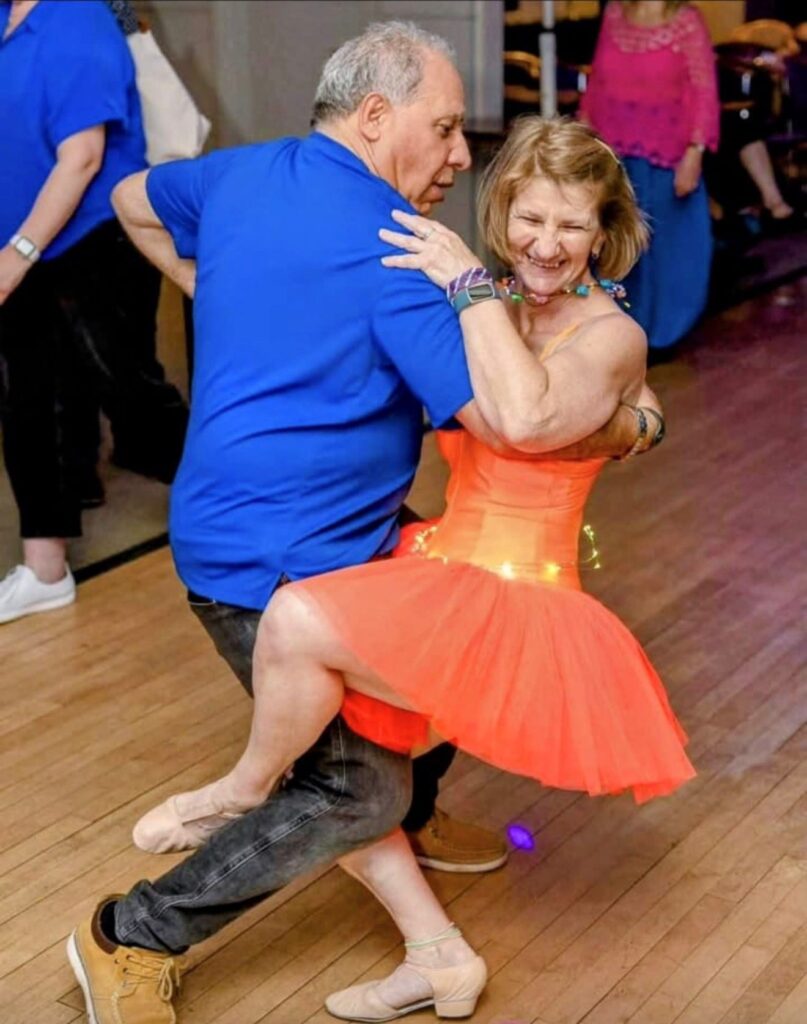
Modern jive is one of the most accessible, sociable and enjoyable partner dances in the UK today. It blends simplicity with style, structure with freedom and tradition with contemporary music. For many people, modern jive becomes more than a dance class. It becomes a community, a confidence builder and in many cases a life changing hobby.
But where did modern jive actually come from, what does it involve and why is it growing so strongly?
The Origins of Modern Jive
Modern jive developed in the 1980s in the UK. It was influenced heavily by traditional jive, swing, rock and roll and ballroom, but it was simplified to make it easier for beginners to learn quickly. The aim was clear. Remove complicated footwork and focus on clear leading and following.
Unlike traditional jive, which has a defined step pattern, modern jive allows dancers to focus primarily on timing, connection and movement. The footwork is intentionally straightforward. This means new dancers can learn a routine in their very first class and feel successful almost immediately.
Over time, modern jive spread rapidly across the country through weekly classes, freestyle events and weekend dance experiences. It evolved into a dance style that could be performed to a wide range of music including pop, blues, swing and contemporary chart tracks.
That flexibility is one of the reasons modern jive continues to thrive.
What Modern Jive Involves
At its heart, modern jive is a partner dance built around clear lead and follow technique. One partner leads movements and the other responds. The beauty of modern jive lies in its structure. Moves are taught in simple sequences which are then repeated and refined.
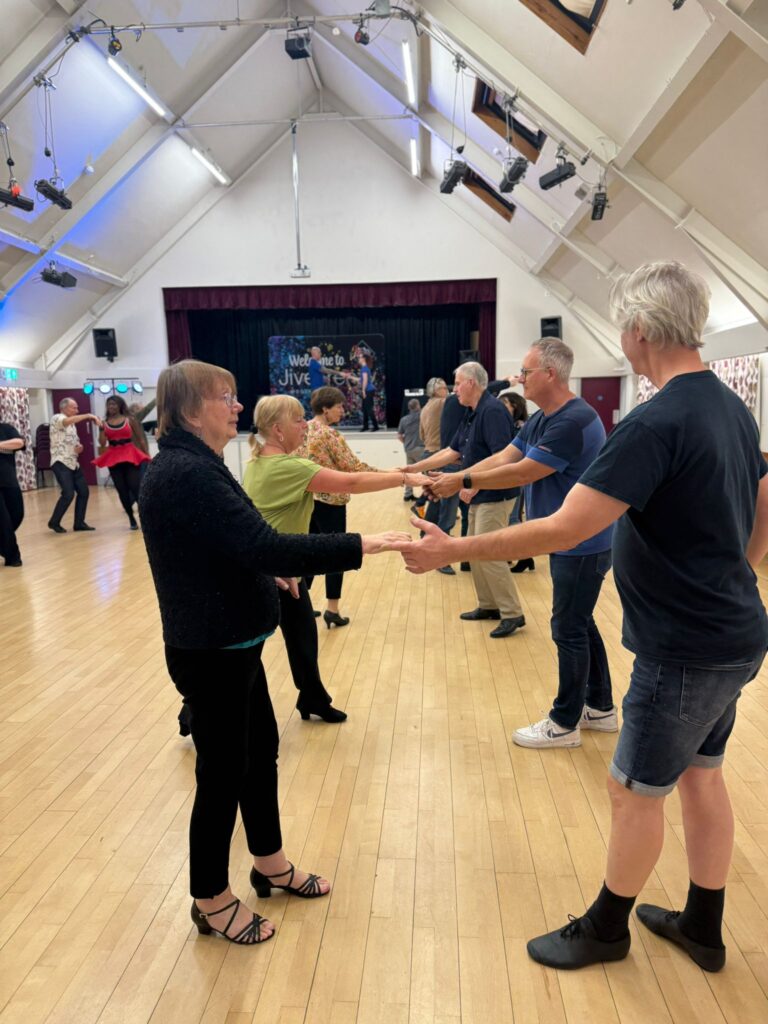
A typical class begins with a beginner friendly lesson. Instructors break down several moves step by step, ensuring everyone can follow along. After the lesson, dancers practise with different partners. This rotation system is a core part of modern jive culture. It builds confidence, improves technique and creates a welcoming social environment.
There is no need for previous dance experience. You do not need to bring a partner. You do not need specialist shoes. Modern jive removes barriers and makes social dancing feel achievable.
The freestyle element is equally important. After classes, dancers often stay to practise in a relaxed environment. Here creativity starts to flow. Musicality develops. Confidence grows.
Modern jive is both structured and expressive. It gives you the framework, then allows you to bring your own personality into it.
Where Modern Jive Is Heading
Modern jive continues to evolve. Today you will see influences from blues, Latin, West Coast Swing and even contemporary lyrical dance shaping the style. Musical choices are broadening. Technique standards are rising. Social media is helping dancers connect across regions.
There is also a growing emphasis on inclusivity and community. Modern jive venues across the UK are focused on creating safe, respectful environments where people of all ages and backgrounds feel welcome.
The future of modern jive looks strong because it adapts. It respects its roots but is not restricted by them. It moves with the music of the time.
How Jive Frenzy Came About
Jive Frenzy was born from a genuine love of dance and community. The vision was simple. Create a welcoming space where people could learn modern jive without pressure, intimidation, or judgement.
From the beginning, Jive Frenzy focused on energy, warmth, and quality teaching. The aim was not just to teach steps, but to build confidence and friendships. Many dancers walk through the door feeling nervous. Within weeks they are laughing, spinning, and counting down the days to the next class.
Modern jive has a unique way of bringing people together. Jive Frenzy embraced that from day one. The classes were designed to be accessible, supportive, and social. Over time the dance floor became more than a venue. It became a community.
That sense of belonging is what keeps people coming back.
Tips for New People Looking to Get Into Modern Jive
If you are considering trying modern jive, here are a few simple tips.
Firstly, just turn up. Most nerves disappear within the first ten minutes. Everyone remembers being new. The modern jive community is welcoming and encouraging.
Secondly, focus on connection rather than perfection. Modern jive is about lead and follow. If you listen, respond and relax, the moves will come.
Thirdly, rotate partners if the class offers it. Dancing with different people accelerates your learning and builds confidence far faster than staying with one partner.
Fourthly, be patient with yourself. Like any skill, modern jive improves with repetition. The breakthrough moments often come when you least expect them.
Finally, stay for freestyle. This is where the real magic happens. It is where you stop thinking about the moves and start enjoying the music.
Why Modern Jive Changes Lives
It may sound dramatic, but modern jive genuinely changes lives. It improves fitness, posture and coordination. It boosts mental wellbeing. It creates friendships. For some, it becomes a regular escape from busy work and family life.
In a world where so much connection happens through screens, modern jive offers something refreshingly human. Eye contact. Laughter. Shared rhythm.
Whether you are looking for a new hobby, a social outlet or simply a reason to move more, modern jive offers a doorway into something energising and uplifting.
At Jive Frenzy, that doorway is always open.
If you have ever thought about learning modern jive, now is the time. Step onto the dance floor. Trust the process. The music will take care of the rest.